

Plant taxonomy is the branch of botany that identifies, names, classifies, and organizes plants based on their characteristics and evolutionary relationships. It helps scientists, students, gardeners, and farmers understand how different plants are related and provides a universal system for identifying them. What Is Plant Taxonomy? Plant taxonomy is the science of: For example, a mango tree is scientifically classified as Mangifera indica, allowing botanists worldwide to identify it without confusion. Why Is Plant Taxonomy Important? Plant taxonomy helps to: The Hierarchy of Plant Classification Plants are grouped from broad categories to specific ones. Rank Purpose Example (Mango) Kingdom Largest group Plantae Division (Phylum) Groups plants with similar structures Magnoliophyta Class Similar divisions Magnoliopsida Order Related plant families Sapindales Family Related genera Anacardiaceae Genus Closely related species Mangifera Species Individual plant type Mangifera indica A simple way to remember the order is: Kingdom → Division → Class → Order → Family → Genus → Species Understanding Each Taxonomic Rank 1. Kingdom The broadest category. All plants belong to the Kingdom Plantae. 2. Division Plants are grouped by major characteristics, such as whether they produce flowers or seeds. 3. Class A subdivision of a division that groups plants with additional shared features. 4. Order Orders contain one or more related plant families. 5. Family Plants in the same family share many structural similarities. Examples: 6. Genus A genus contains species that are very closely related. Example: 7. Species The most specific rank. Members of a species can naturally reproduce with one another. Example: Example of Plant Taxonomy Mango Rank Classification Kingdom Plantae Division Magnoliophyta Class Magnoliopsida Order Sapindales Family Anacardiaceae Genus Mangifera Species Mangifera indica Common Plant Families 4 Family Example Plants Rosaceae Rose, Apple, Strawberry Fabaceae Pea, Bean, Soybean Poaceae Rice, Wheat, Maize Solanaceae Tomato, Potato, Eggplant Asteraceae Sunflower, Daisy Identification vs Classification vs Nomenclature These three terms are closely related but have different meanings: Modern Plant Taxonomy Earlier classifications relied mainly on visible features such as leaves, flowers, fruits, and seeds. Today, botanists also use: These methods provide a more accurate picture of how plants are related. Branches of Plant Taxonomy Benefits of Learning Plant Taxonomy Tips for Beginners Frequently Asked Questions What is the difference between taxonomy and classification?Taxonomy is the science of identifying, naming, and classifying organisms. Classification is one part of taxonomy that focuses on arranging organisms into groups. Why do plants have scientific names?Scientific names provide a single, internationally recognized name for each species, avoiding confusion caused by different common names. Who developed the modern system of plant naming?The Swedish botanist Carl Linnaeus introduced the modern system of binomial nomenclature, which remains the foundation of scientific naming today. Conclusion Plant taxonomy is the foundation of botany. By organizing plants into a clear hierarchy—from Kingdom down to Species—it helps us identify plants accurately, understand their evolutionary relationships, and communicate about them consistently across the world. For beginners, mastering the classification hierarchy and learning common plant families is the best first step toward understanding the diversity of the plant kingdom.

Ultimate Guide to Plant Scientific Names(2026)
Plant scientific names are the universal names used by botanists, gardeners, researchers, and farmers to identify plants accurately. Unlike common names, which vary by language and region, scientific names are recognized worldwide, making communication precise and consistent. What Is a Scientific Name? A scientific name is a two-part Latin (or Latinized) name assigned to every plant according to the international system of binomial nomenclature. For example: This system ensures that every known plant has one accepted scientific name. A scientific name is a two-part Latin (or Latinized) name assigned to every plant according to the international system of binomial nomenclature. For example: This system ensures that every known plant has one accepted scientific name. Why Scientific Names Matter Scientific names help to: For example, the common name “Lily” can refer to several unrelated plants, but the scientific name identifies the exact species. Understanding Binomial Nomenclature Every scientific name has two parts: Example: Mangifera indica Rules Plant Classification Hierarchy Plants are classified in the following order: Rank Example (Mango) Kingdom Plantae Division Magnoliophyta Class Magnoliopsida Order Sapindales Family Anacardiaceae Genus Mangifera Species Mangifera indica Scientific Names of Popular Plants 4 Common Name Scientific Name Mango Mangifera indica Neem Azadirachta indica Banyan Ficus benghalensis Peepal Ficus religiosa Coconut Cocos nucifera Banana Musa paradisiaca Rice Oryza sativa Wheat Triticum aestivum Maize Zea mays Potato Solanum tuberosum Tomato Solanum lycopersicum Onion Allium cepa Garlic Allium sativum Ginger Zingiber officinale Turmeric Curcuma longa Tulsi (Holy Basil) Ocimum tenuiflorum Aloe Vera Aloe vera Sunflower Helianthus annuus Hibiscus Hibiscus rosa-sinensis Rose Rosa indica (a common educational example; cultivated roses include many species and hybrids) How Scientific Names Are Chosen Scientists follow internationally accepted rules when naming new plants. Names may reflect: Example: Who Gives Scientific Names? Plant names are assigned and maintained by botanists according to the International Code of Nomenclature for algae, fungi, and plants (ICN). New names are published in scientific literature after meeting the Code’s requirements. Advantages of Scientific Names Common Name vs Scientific Name Common Name Scientific Name Language-dependent Universal Can vary by region Standardized worldwide Often one name for many plants Identifies one species precisely Easier to remember More precise for science Tips for Remembering Scientific Names Frequently Asked Questions 1. Why are scientific names written in Latin?Latin was historically the language of science in Europe and no longer changes as a spoken language, making it a stable choice for naming organisms. 2. Can a plant have more than one common name?Yes. A single plant can have dozens of common names in different languages and regions. 3. Can scientific names change?Yes. As botanical research and DNA studies improve our understanding of plant relationships, names are sometimes revised to reflect updated classifications. 4. Is every plant assigned a scientific name?Every formally described plant species has a scientific name, and newly discovered species receive one after being validly published under the ICN. Conclusion Scientific names provide a standard, universal system for identifying plants around the world. Whether you’re a student, gardener, farmer, or researcher, learning botanical names makes it easier to recognize plants, understand their relationships, and communicate accurately across languages and countries.

Home Made Cake Recipe
Easy Homemade Vanilla Cake Recipe (Step by Step) This is a soft, fluffy vanilla cake that’s perfect for birthdays, tea time, or any special occasion. Preparation Time: 20 minutesBaking Time: 30–35 minutesServes: 8–10 people Ingredients Dry Ingredients 2 cups (250 g) all-purpose flour (maida) 2 tsp baking powder ½ tsp baking soda ¼ tsp salt Wet Ingredients Optional Sprinkles for decoration 2 tbsp chopped nuts Chocolate chips Step 1: Preheat the Oven Step 2: Mix the Dry Ingredients In a bowl, combine: Mix well and set aside. Step 3: Prepare the Wet Mixture In another large bowl: (For an eggless cake, replace the eggs with yogurt.) Step 4: Make the Batter Step 5: Bake To check if it’s done, insert a toothpick into the center. If it comes out clean, the cake is ready. Step 6: Cool the Cake Let the cake cool in the tin for 10 minutes. Transfer it to a wire rack and let it cool completely. Step 7: Decorate You can enjoy the cake plain or decorate it with: Tips for a Perfect Cake Avoid opening the oven door during the first 25 minutes of baking. Measure ingredients accurately. Bring eggs and milk to room temperature before mixing. Do not overmix the batter, or the cake may become dense. Approximate Nutrition (Per Slice) This recipe makes a light, moist vanilla sponge that can be served on its own or used as the base for birthday and celebration cakes.
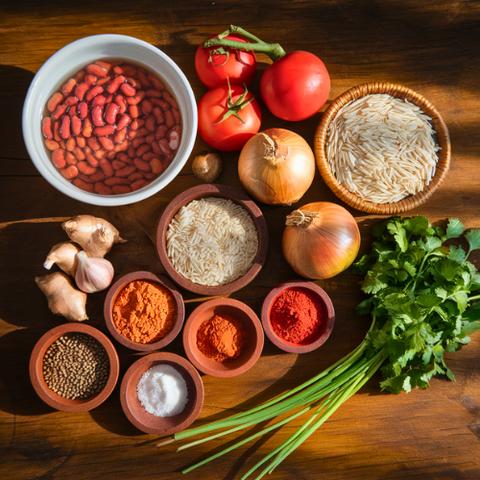
How to make Rajma Chawal at home
Rajma Chawal is a classic North Indian comfort meal made with red kidney beans (rajma) cooked in a rich tomato-onion gravy and served with steamed rice. This recipe serves 4 people. Ingredients For the Rajma For the Rice Step 1: Soak the Rajma 1.Wash the rajma thoroughly. 2.Soak it in 3–4 cups of water for 8–10 hours or overnight. 3.Drain the soaking water before cooking. Step 2: Pressure Cook the Rajma Step 3: Prepare the Masala Step 4: Add the Spices Mix in: Cook for 2–3 minutes on low heat. Step 5: Add the Cooked Rajma Step 6: Finish the Curry Step 7: Cook the Rice Step 8: Serve Serve hot rajma over steamed basmati rice. Add: Tips for the Best Rajma Chawal Approximate Nutrition (Per Serving) Enjoy your homemade Rajma Chawal with a fresh salad and a squeeze of lemon for an authentic North Indian meal!
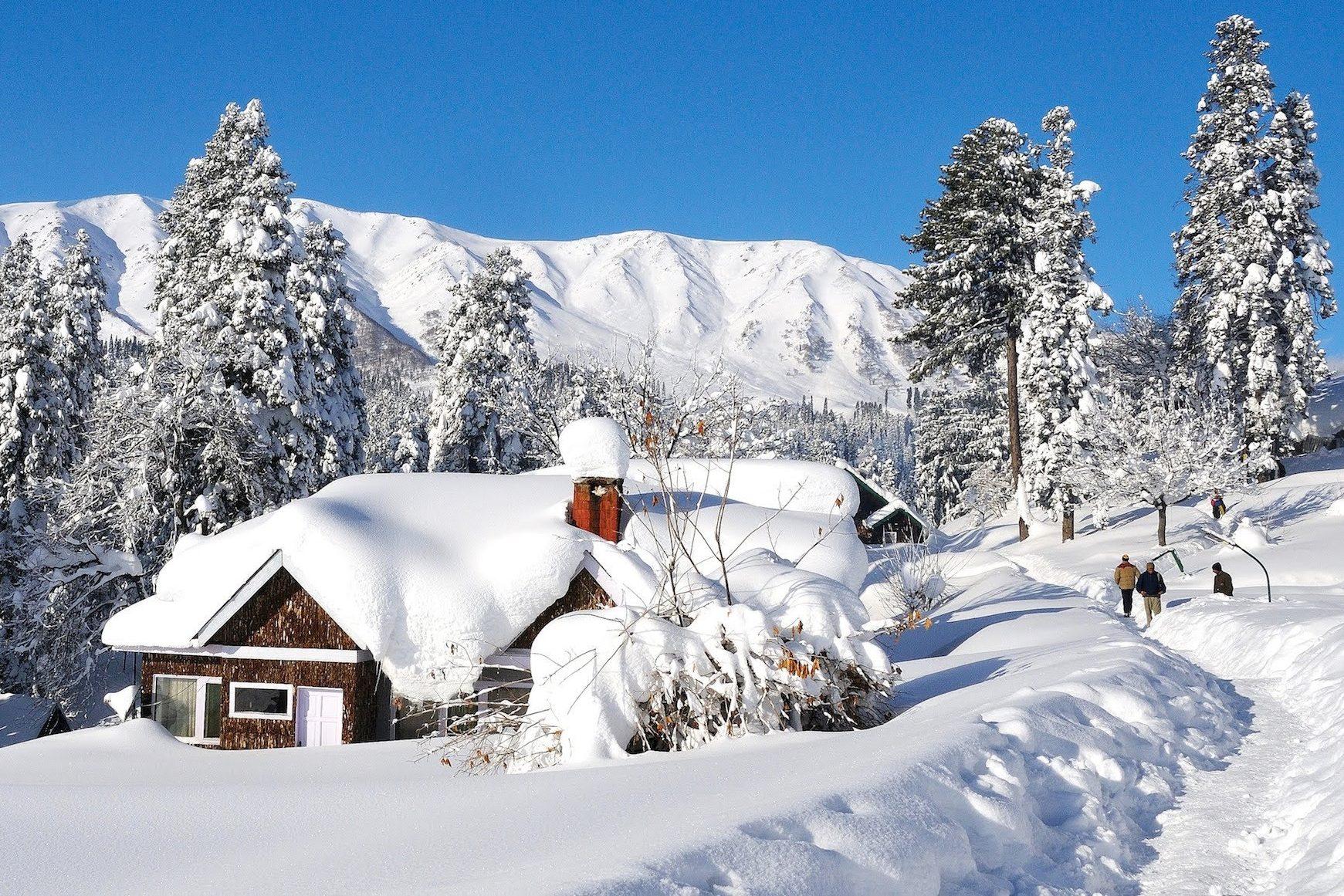
Best Time To Visit In Kashmir
Often called “Paradise on Earth,” Kashmir is a year-round destination, but the best time to visit depends on the kind of experience you’re looking for—lush valleys, colorful flowers, adventure activities, or snowfall. Spring (March to May) – Best for Flowers and Pleasant Weather 🌸 Temperature: 10°C to 20°C Spring is one of the most beautiful seasons in Kashmir. Snow begins to melt, gardens bloom with colorful flowers, and the valleys turn green. Highlights Best Places to Visit Activities Best for: Couples, families, and photographers. Summer (June to August) – Best for Family Vacations 🌿 Temperature: 15°C to 30°C Summer is the peak tourist season. The weather is pleasant and ideal for outdoor adventures. Highlights Best Places Activities Best for: Families, adventure lovers, and honeymooners. Autumn (September to November) – Best for Scenic Beauty 🍁 7 Temperature: 10°C to 25°C Autumn transforms Kashmir into a golden paradise as Chinar trees turn shades of red, orange, and yellow. Highlights Activities Best for: Nature lovers and photographers. Winter (December to February) – Best for Snow Lovers ❄️ Temperature: -5°C to 10°C Winter brings heavy snowfall, especially in Gulmarg, making Kashmir a popular destination for winter sports. Highlights Best Places Activities Best for: Snow lovers, adventure enthusiasts, and honeymoon couples. Month-wise Travel Guide Month Weather Best For March Cool & blooming Tulips and gardens April Pleasant Sightseeing and photography May Warm & green Honeymoon and family trips June Pleasant Outdoor activities July Mild Trekking and nature August Comfortable Family vacations September Cool Scenic landscapes October Golden autumn Photography November Cold Peaceful travel December Snow begins Winter holidays January Heavy snowfall Skiing February Snow continues Snow adventures Best Time Based on Your Interests Final Recommendation If you’re visiting Kashmir for the first time, April to June is generally the best period. The weather is pleasant, gardens are in full bloom, lakes are beautiful, and most tourist attractions are easily accessible. If your dream is to experience snowfall and skiing, plan your trip between late December and February, especially to Gulmarg, one of India’s premier winter destinations.

Most Beautiful Place In India
India has many stunning destinations, and the “most beautiful” depends on whether you prefer mountains, beaches, lakes, deserts, or forests. Here are some of the most iconic places 1.Valley of Flowers National Park: The Valley of Flowers National Park is one of India’s most spectacular natural attractions and a UNESCO World Heritage Site. Located in the Uttarakhand, it is famous for its colorful alpine meadows, snow-covered Himalayan peaks, waterfalls, and rare wildlife. Overview Why is it Famous? The valley transforms into a vibrant carpet of wildflowers during the monsoon season. More than 500 species of flowering plants bloom here, creating breathtaking scenery. Some famous flowers include: Wildlife The park is home to several rare Himalayan species, including: Best Time to Visit Month Experience June Snow begins melting, greenery appears July Wildflowers start blooming August Peak flowering season (best month) Early September Flowers remain vibrant October–May Park remains closed due to snowfall How to Reach Total trekking distance: Around 16–17 km one way from Govindghat. Entry Fees Fees vary for Indian and international visitors and may change over time. It’s best to check the latest rates before your trip. Things to Carry Important Rules Interesting Facts If you’re planning a trip, late July to mid-August offers the most colorful landscapes and is generally considered the best time to experience the Valley of Flowers in full bloom. 2. Pangong Lake Pangong Lake (Pangong Tso) is one of the most breathtaking high-altitude lakes in the world. Nestled amidst the Himalayas in Ladakh, it is renowned for its crystal-clear blue waters, dramatic mountain backdrop, and ever-changing colors. Overview Why is Pangong Lake Famous? Pangong Lake is famous for: Best Time to Visit Month Experience May–June Pleasant weather, melting snow July–August Best weather, clear roads September Crisp skies, fewer tourists October Cold but scenic November–April Frozen lake, heavy snowfall, limited access Best overall time: June to September Weather How to Reach Main Route Leh → Chang La → Durbuk → Tangtse → Pangong Lake The drive offers panoramic views of rugged mountains, valleys, and high-altitude landscapes. Activities Wildlife The area supports several Himalayan species, including: Accommodation Visitors can stay in: Most accommodations operate during the tourist season (May–September). Travel Tips Interesting Facts Pangong Lake is considered one of the crown jewels of Ladakh, offering unforgettable views, serene surroundings, and a unique high-altitude Himalayan experience. 3. Srinagar Srinagar is the summer capital of the Union Territory of Jammu and Kashmir and is one of India’s most beautiful destinations. Known for its serene lakes, traditional houseboats, Mughal gardens, and snow-capped Himalayan mountains, Srinagar is often called the “Paradise on Earth.” Overview Why is Srinagar Famous? Srinagar is celebrated for: Top Tourist Attractions 1. Dal Lake The heart of Srinagar, Dal Lake is famous for: 2. Nishat Bagh Built in 1633, this Mughal garden offers terraced lawns, fountains, and spectacular views of Dal Lake. 3. Shalimar Bagh Commissioned by Mughal Emperor Jahangir for Nur Jahan, this garden is renowned for its elegant landscaping and historic charm. 4. Chashme Shahi A picturesque Mughal garden known for its natural spring and panoramic city views. 5. Shankaracharya Temple Situated on a hilltop, this ancient temple provides sweeping views of Srinagar and Dal Lake. 6. Hazratbal Shrine One of Kashmir’s most revered Islamic shrines, located on the northern shore of Dal Lake. Best Time to Visit Season Months Highlights Spring March–May Tulips, blooming gardens, pleasant weather Summer June–August Sightseeing and boating Autumn September–November Golden chinar trees and clear skies Winter December–February Snowfall and nearby winter sports Best overall time: April to October How to Reach By Air Srinagar Airport has regular flights from major Indian cities. By Road Srinagar is connected by the Srinagar–Jammu National Highway, offering scenic mountain drives. By Train The nearest major railway connection is Shri Mata Vaishno Devi Katra railway station, with onward road travel. Local rail services also connect parts of the Kashmir Valley. Local Food Don’t miss these Kashmiri specialties: Shopping Srinagar is famous for: Nearby Attractions Travel Tips Interesting Facts 4.Munnar Munnar is one of India’s most beautiful hill stations, located in the Kerala. Surrounded by rolling tea plantations, mist-covered mountains, waterfalls, and lush forests, Munnar is often called the “Kashmir of South India.” It is a favorite destination for honeymooners, nature lovers, and adventure enthusiasts. Overview Why is Munnar Famous? Munnar is renowned for: Top Tourist Attractions 1. Eravikulam National Park The park is famous for: 2. Tea Museum Learn about Munnar’s tea heritage, tea processing, and enjoy fresh tea tastings. 3. Top Station The highest viewpoint near Munnar, offering spectacular views of the Western Ghats and neighboring Tamil Nadu. 4. Mattupetty Dam A popular picnic spot where visitors can enjoy: 5. Echo Point A picturesque location where echoes bounce back across the surrounding hills and lake. 6. Attukad Waterfalls One of the most scenic waterfalls in the region, especially impressive during the monsoon season. Best Time to Visit Season Months Highlights Winter October–February Cool weather, sightseeing, trekking Summer March–May Pleasant climate and tea gardens Monsoon June–September Lush greenery and waterfalls, though heavy rain may affect travel Best overall time: October to March How to Reach By Air The nearest airport is Cochin International Airport, about 110 km away. By Train The nearest major railway station is Aluva railway station, approximately 110 km from Munnar. By Road Munnar is well connected by road to: The drive through winding mountain roads and tea estates is one of the highlights of the trip. Adventure Activities Local Food Popular dishes to try include: Shopping Munnar is well known for: Nearby Attractions Travel Tips Interesting Facts With its cool climate, emerald-green tea estates, waterfalls, and panoramic mountain views, Munnar is one of the most picturesque destinations in South India and an ideal retreat for travelers seeking nature, relaxation, and adventure. 5.Andaman and Nicobar Islands The Andaman and Nicobar Islands are a group of over 570 islands in the Bay of Bengal, known for their pristine beaches, crystal-clear waters, lush tropical forests, vibrant coral reefs, and rich marine