
India has many stunning destinations, and the “most beautiful” depends on whether you prefer mountains, beaches, lakes, deserts, or forests. Here are some of the most iconic places
1.Valley of Flowers National Park:
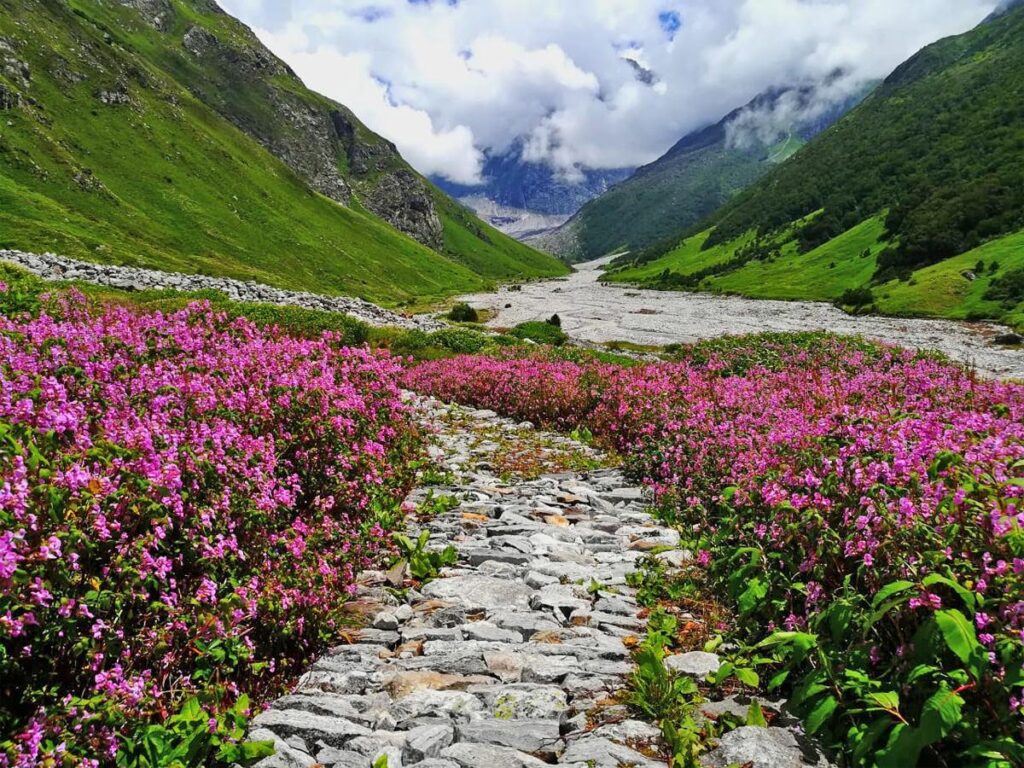
The Valley of Flowers National Park is one of India’s most spectacular natural attractions and a UNESCO World Heritage Site. Located in the Uttarakhand, it is famous for its colorful alpine meadows, snow-covered Himalayan peaks, waterfalls, and rare wildlife.
Overview
- State: Uttarakhand
- District: Chamoli
- Altitude: Approximately 3,250–3,650 meters (10,660–11,980 ft) above sea level
- Area: About 87.5 sq km
- UNESCO Status: World Heritage Site (part of the Nanda Devi and Valley of Flowers National Parks)
Why is it Famous?
The valley transforms into a vibrant carpet of wildflowers during the monsoon season. More than 500 species of flowering plants bloom here, creating breathtaking scenery.
Some famous flowers include:
- Blue Poppy
- Cobra Lily
- Himalayan Bellflower
- Marsh Marigold
- Primulas
- Himalayan Geranium
- Anemones
Wildlife
The park is home to several rare Himalayan species, including:
- Snow leopard (rarely seen)
- Himalayan black bear
- Musk deer
- Blue sheep
- Red fox
- Numerous butterflies and Himalayan birds
Best Time to Visit
| Month | Experience |
|---|---|
| June | Snow begins melting, greenery appears |
| July | Wildflowers start blooming |
| August | Peak flowering season (best month) |
| Early September | Flowers remain vibrant |
| October–May | Park remains closed due to snowfall |
How to Reach
- Reach Haridwar or Rishikesh.
- Drive to Govindghat.
- Trek about 13 km to Ghangaria.
- From Ghangaria, trek another 3–4 km to enter the Valley of Flowers.
Total trekking distance: Around 16–17 km one way from Govindghat.
Entry Fees
Fees vary for Indian and international visitors and may change over time. It’s best to check the latest rates before your trip.
Things to Carry
- Waterproof trekking shoes
- Raincoat or poncho
- Warm clothing
- Water bottle
- Snacks
- Camera
- First-aid kit
- Trekking pole (optional)
Important Rules
- No overnight stay inside the national park.
- Do not pick flowers or disturb wildlife.
- Carry back all plastic and litter.
- Stay on designated trails.
Interesting Facts
- The valley was brought to international attention in 1931 after British mountaineer Frank S. Smythe discovered it while returning from an expedition.
- Local legend associates the valley with the mythical “Garden of the Gods.”
- It is one of the richest alpine flower habitats in the Himalayas.
If you’re planning a trip, late July to mid-August offers the most colorful landscapes and is generally considered the best time to experience the Valley of Flowers in full bloom.
2. Pangong Lake
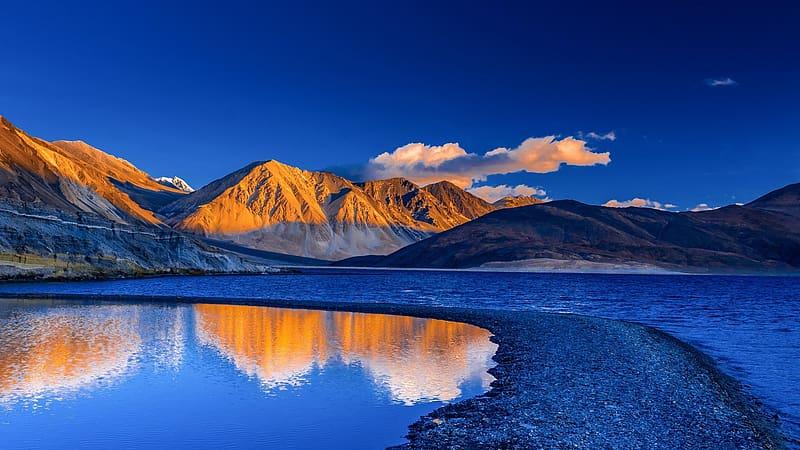
Pangong Lake (Pangong Tso) is one of the most breathtaking high-altitude lakes in the world. Nestled amidst the Himalayas in Ladakh, it is renowned for its crystal-clear blue waters, dramatic mountain backdrop, and ever-changing colors.
Overview
- Location: Ladakh, India (extending into Tibet)
- Altitude: 4,225 meters (13,862 feet) above sea level
- Length: About 134 km
- Width: 3–5 km
- Lake Type: Endorheic (no outlet to the sea)
- Water: Saline (saltwater), not suitable for drinking
- Shared by: Approximately one-third in India and two-thirds in Tibet (China)
Why is Pangong Lake Famous?
Pangong Lake is famous for:
- Brilliant turquoise and sapphire-blue water
- Color changes throughout the day depending on sunlight and weather
- Stunning Himalayan mountain scenery
- Peaceful environment and photography opportunities
- Appearance in the Bollywood movie 3 Idiots, which greatly increased its popularity
Best Time to Visit
| Month | Experience |
|---|---|
| May–June | Pleasant weather, melting snow |
| July–August | Best weather, clear roads |
| September | Crisp skies, fewer tourists |
| October | Cold but scenic |
| November–April | Frozen lake, heavy snowfall, limited access |
Best overall time: June to September
Weather
- Summer (June–September): 5°C to 20°C
- Winter (November–March): -25°C to -5°C
- Nights remain cold even in summer.
How to Reach
- Fly to Leh.
- Spend 1–2 days acclimatizing due to the high altitude.
- Travel about 160 km from Leh to Pangong Lake by road.
- Journey time: 5–6 hours through spectacular mountain passes.
Main Route
Leh → Chang La → Durbuk → Tangtse → Pangong Lake
The drive offers panoramic views of rugged mountains, valleys, and high-altitude landscapes.
Activities
- Photography
- Sunrise and sunset viewing
- Camping near the lake
- Stargazing under clear Himalayan skies
- Bird watching
- Scenic road trips
Wildlife
The area supports several Himalayan species, including:
- Black-necked crane
- Kiang (Tibetan wild ass)
- Himalayan marmot
- Bar-headed goose
- Brown-headed gull
Accommodation
Visitors can stay in:
- Lakeside camps
- Guesthouses
- Homestays in nearby villages such as Spangmik and Man
Most accommodations operate during the tourist season (May–September).
Travel Tips
- Acclimatize in Leh before visiting.
- Carry warm clothing, even in summer.
- Stay hydrated and avoid strenuous activity on your first day at high altitude.
- Carry cash, as ATMs are limited.
- Mobile connectivity is limited in the area.
- Respect local customs and avoid littering.
Interesting Facts
- Pangong Lake freezes completely during winter, despite being a saltwater lake.
- The lake changes color from deep blue to turquoise and emerald green depending on the angle of sunlight.
- It is one of the highest and most picturesque lakes in the Himalayas.
- The surrounding landscape has been featured in numerous films and travel documentaries.
Pangong Lake is considered one of the crown jewels of Ladakh, offering unforgettable views, serene surroundings, and a unique high-altitude Himalayan experience.
3. Srinagar
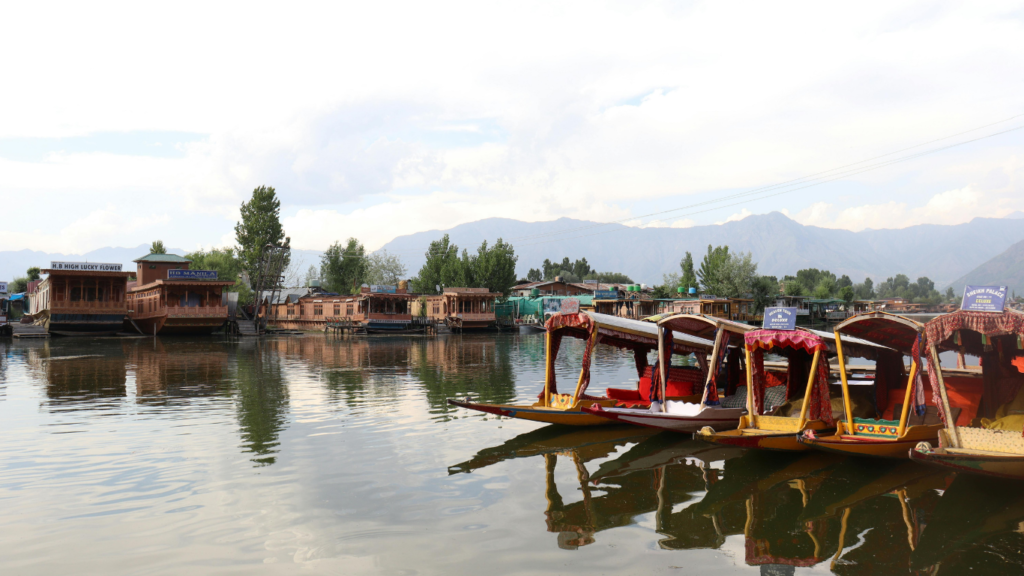
Srinagar is the summer capital of the Union Territory of Jammu and Kashmir and is one of India’s most beautiful destinations. Known for its serene lakes, traditional houseboats, Mughal gardens, and snow-capped Himalayan mountains, Srinagar is often called the “Paradise on Earth.”
Overview
- Location: Kashmir Valley, Jammu and Kashmir, India
- Altitude: Approximately 1,585 meters (5,200 feet) above sea level
- Founded: More than 2,000 years ago
- Language: Kashmiri, Urdu, Hindi, and English
- Famous For: Dal Lake, houseboats, shikara rides, Mughal gardens, saffron, and handicrafts
Why is Srinagar Famous?
Srinagar is celebrated for:
- Beautiful lakes and floating gardens
- Traditional wooden houseboats
- Colorful shikara (wooden boat) rides
- Mughal-era gardens
- Snow-covered Himalayan scenery
- Rich Kashmiri culture and cuisine
Top Tourist Attractions
1. Dal Lake
The heart of Srinagar, Dal Lake is famous for:
- Shikara boat rides
- Floating vegetable and flower markets
- Luxury houseboats
- Sunrise and sunset views
2. Nishat Bagh
Built in 1633, this Mughal garden offers terraced lawns, fountains, and spectacular views of Dal Lake.
3. Shalimar Bagh
Commissioned by Mughal Emperor Jahangir for Nur Jahan, this garden is renowned for its elegant landscaping and historic charm.
4. Chashme Shahi
A picturesque Mughal garden known for its natural spring and panoramic city views.
5. Shankaracharya Temple
Situated on a hilltop, this ancient temple provides sweeping views of Srinagar and Dal Lake.
6. Hazratbal Shrine
One of Kashmir’s most revered Islamic shrines, located on the northern shore of Dal Lake.
Best Time to Visit
| Season | Months | Highlights |
|---|---|---|
| Spring | March–May | Tulips, blooming gardens, pleasant weather |
| Summer | June–August | Sightseeing and boating |
| Autumn | September–November | Golden chinar trees and clear skies |
| Winter | December–February | Snowfall and nearby winter sports |
Best overall time: April to October
How to Reach
By Air
Srinagar Airport has regular flights from major Indian cities.
By Road
Srinagar is connected by the Srinagar–Jammu National Highway, offering scenic mountain drives.
By Train
The nearest major railway connection is Shri Mata Vaishno Devi Katra railway station, with onward road travel. Local rail services also connect parts of the Kashmir Valley.
Local Food
Don’t miss these Kashmiri specialties:
- Rogan Josh
- Gushtaba
- Yakhni
- Kahwa
- Dum Aloo
Shopping
Srinagar is famous for:
- Pashmina shawls
- Kashmiri carpets
- Walnut wood carvings
- Papier-mâché handicrafts
- Saffron
- Dry fruits
Nearby Attractions
- Gulmarg – Ski resort and gondola rides
- Sonamarg – Meadows and glaciers
- Pahalgam – Valleys, rivers, and trekking
- Tulip Garden – Asia’s largest tulip garden (spring season)
Travel Tips
- Carry warm clothing, even during summer evenings.
- Book houseboats and hotels in advance during peak tourist seasons.
- Respect local customs and religious sites.
- Use licensed shikara operators for lake tours.
- Keep a valid photo ID while traveling.
Interesting Facts
- Srinagar is often called the “Venice of the East” because of its interconnected lakes, canals, and houseboats.
- Dal Lake is home to floating gardens where vegetables and flowers are cultivated.
- The city is especially famous for its vibrant tulip blooms in spring and fiery chinar trees in autumn, making it a year-round destination for nature lovers and photographers.
4.Munnar
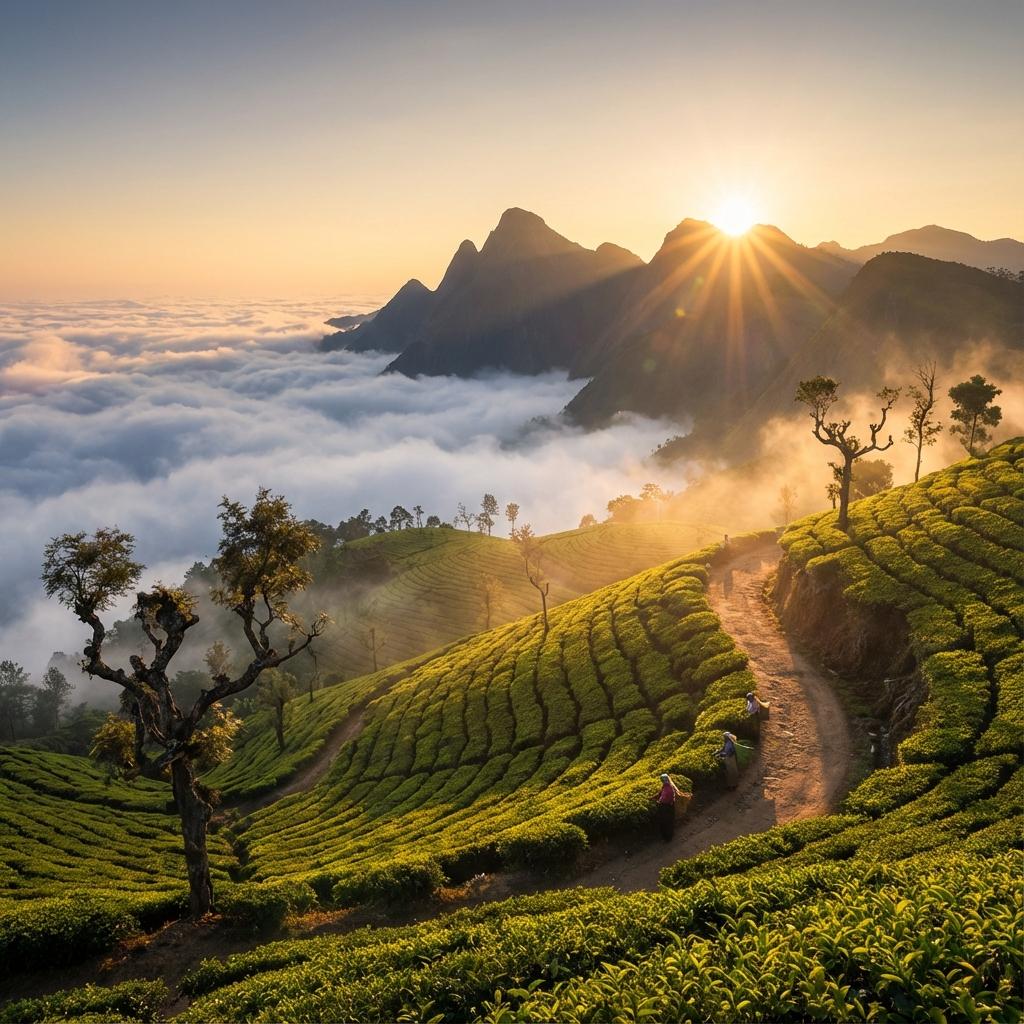
Munnar is one of India’s most beautiful hill stations, located in the Kerala. Surrounded by rolling tea plantations, mist-covered mountains, waterfalls, and lush forests, Munnar is often called the “Kashmir of South India.” It is a favorite destination for honeymooners, nature lovers, and adventure enthusiasts.
Overview
- State: Kerala
- District: Idukki
- Altitude: Approximately 1,600 meters (5,250 feet) above sea level
- Famous For: Tea plantations, cool climate, wildlife, waterfalls, trekking, and scenic landscapes
- Meaning of Munnar: “Three Rivers,” referring to the confluence of the Mudhirapuzha, Nallathanni, and Kundaly rivers.
Why is Munnar Famous?
Munnar is renowned for:
- Endless green tea gardens
- Cool and pleasant weather throughout the year
- Misty mountains and valleys
- Rare wildlife and national parks
- Beautiful waterfalls and lakes
- Adventure activities such as trekking and camping
Top Tourist Attractions
1. Eravikulam National Park
The park is famous for:
- The endangered Nilgiri tahr
- Rolling grasslands and mountain scenery
- The blooming of the rare Neelakurinji flower, which blossoms once every 12 years
2. Tea Museum
Learn about Munnar’s tea heritage, tea processing, and enjoy fresh tea tastings.
3. Top Station
The highest viewpoint near Munnar, offering spectacular views of the Western Ghats and neighboring Tamil Nadu.
4. Mattupetty Dam
A popular picnic spot where visitors can enjoy:
- Boating
- Scenic mountain views
- Birdwatching
5. Echo Point
A picturesque location where echoes bounce back across the surrounding hills and lake.
6. Attukad Waterfalls
One of the most scenic waterfalls in the region, especially impressive during the monsoon season.
Best Time to Visit
| Season | Months | Highlights |
|---|---|---|
| Winter | October–February | Cool weather, sightseeing, trekking |
| Summer | March–May | Pleasant climate and tea gardens |
| Monsoon | June–September | Lush greenery and waterfalls, though heavy rain may affect travel |
Best overall time: October to March
How to Reach
By Air
The nearest airport is Cochin International Airport, about 110 km away.
By Train
The nearest major railway station is Aluva railway station, approximately 110 km from Munnar.
By Road
Munnar is well connected by road to:
- Kochi
- Madurai
- Coimbatore
The drive through winding mountain roads and tea estates is one of the highlights of the trip.
Adventure Activities
- Trekking
- Mountain biking
- Camping
- Rock climbing
- Jeep safaris
- Nature photography
Local Food
Popular dishes to try include:
- Appam with stew
- Puttu
- Kerala Sadya
- Malabar Parotta
- Fresh cardamom tea and locally produced tea
Shopping
Munnar is well known for:
- Premium tea varieties
- Cardamom
- Black pepper
- Cinnamon
- Homemade chocolates
- Essential oils
- Handmade spices
Nearby Attractions
- Anamudi Peak – The highest peak in South India
- Kundala Lake – Boating and cherry blossom views
- Blossom Hydel Park – Landscaped gardens and family activities
- Marayoor Sandalwood Forest – Natural sandalwood forests and ancient dolmens
Travel Tips
- Carry light woolen clothing, as mornings and evenings can be cool.
- Wear comfortable shoes for walking and trekking.
- Book accommodations in advance during peak seasons.
- Respect wildlife and avoid littering in protected areas.
- Start sightseeing early to avoid crowds at popular viewpoints.
Interesting Facts
- Munnar was once the summer retreat of the British during colonial times because of its pleasant climate.
- The surrounding hills are covered with vast tea plantations established in the late 19th century.
- The rare Neelakurinji flower blooms only once every 12 years, turning the hillsides blue and attracting visitors from around the world.
- Munnar lies within the Western Ghats, a UNESCO World Heritage region recognized for its exceptional biodiversity.
With its cool climate, emerald-green tea estates, waterfalls, and panoramic mountain views, Munnar is one of the most picturesque destinations in South India and an ideal retreat for travelers seeking nature, relaxation, and adventure.
5.Andaman and Nicobar Islands
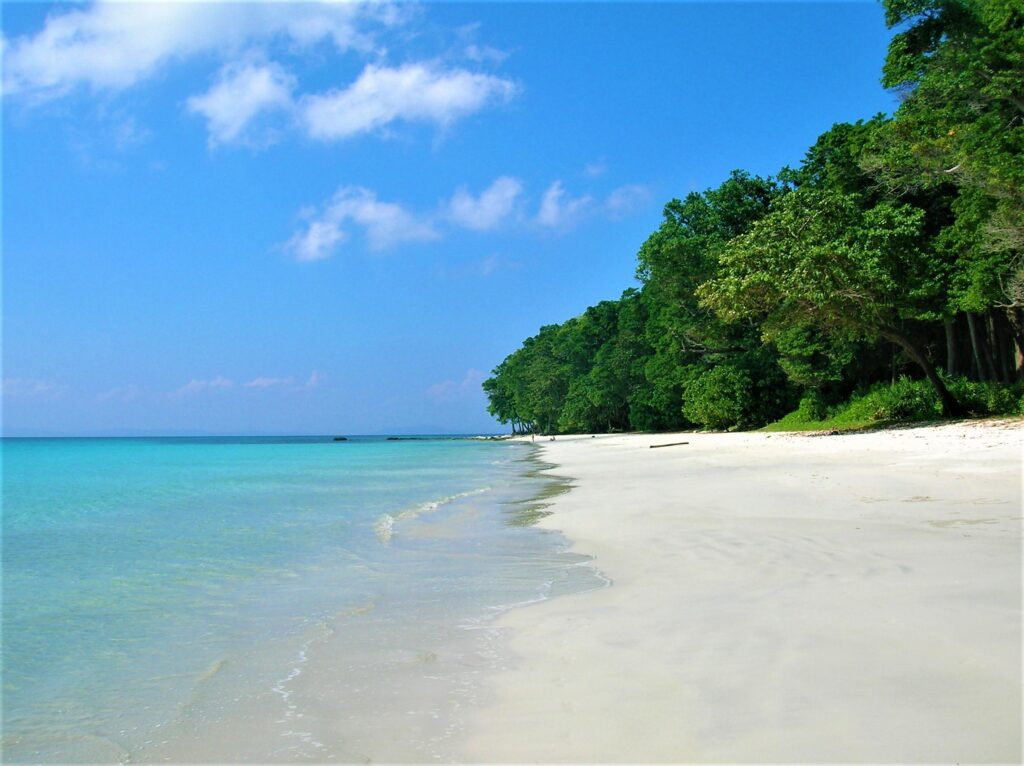
The Andaman and Nicobar Islands are a group of over 570 islands in the Bay of Bengal, known for their pristine beaches, crystal-clear waters, lush tropical forests, vibrant coral reefs, and rich marine life. They are among India’s most beautiful tropical destinations and are ideal for beach vacations, scuba diving, snorkeling, and nature tourism.
Overview
- Union Territory: Andaman and Nicobar Islands
- Capital: Port Blair
- Location: Bay of Bengal
- Total Islands: More than 570
- Inhabited Islands: Around 37
- Area: Approximately 8,249 sq km
- Official Languages: Hindi and English (along with several local and indigenous languages)
Why are the Andaman and Nicobar Islands Famous?
The islands are renowned for:
- White sandy beaches
- Crystal-clear turquoise waters
- Colorful coral reefs
- Scuba diving and snorkeling
- Dense tropical rainforests
- Rich marine biodiversity
- Historical landmarks such as the Cellular Jail
Top Tourist Attractions
1. Radhanagar Beach
Often ranked among Asia’s finest beaches, it is famous for:
- Soft white sand
- Clear blue water
- Magnificent sunsets
- Swimming and photography
2. Cellular Jail
Also known as Kala Pani, this historic prison was used by the British to incarcerate Indian freedom fighters. Today it is a national memorial with a popular evening light-and-sound show.
3. Elephant Beach
A favorite destination for:
- Snorkeling
- Scuba diving
- Sea walking
- Glass-bottom boat rides
4. Bharatpur Beach
Known for calm waters, coral reefs, and excellent snorkeling opportunities.
5. Natural Bridge
A naturally formed rock bridge created by years of wave erosion, surrounded by tidal pools and marine life.
6. Ross Island
Now officially called Netaji Subhas Chandra Bose Island, it features colonial-era ruins, scenic walking trails, and friendly deer and peacocks.
Best Time to Visit
| Season | Months | Highlights |
|---|---|---|
| Winter | October–February | Pleasant weather, ideal for sightseeing and water sports |
| Summer | March–May | Excellent visibility for diving and snorkeling |
| Monsoon | June–September | Heavy rainfall; some ferry services and activities may be affected |
Best overall time: October to May
How to Reach
By Air
The main gateway is Veer Savarkar International Airport, with regular flights from cities such as:
- Chennai
- Kolkata
- Bengaluru
- Delhi (seasonal/direct options may vary)
By Sea
Passenger ships also operate from Chennai, Kolkata, and Visakhapatnam, though the journey usually takes 3–4 days.
Adventure Activities
- Scuba diving
- Snorkeling
- Sea walking
- Kayaking through mangroves
- Parasailing
- Jet skiing
- Banana boat rides
- Game fishing
- Dolphin watching
Marine Life
The surrounding waters are home to:
- Green sea turtle
- Hawksbill sea turtle
- Dugong (the state animal)
- Clownfish
- Reef sharks
- Manta rays
- Vibrant hard and soft corals
Local Food
Popular dishes include:
- Fresh grilled fish
- Prawn curry
- Crab masala
- Lobster
- Coconut-based seafood curries
- Tropical fruits such as mango, pineapple, and banana
Shopping
Popular souvenirs include:
- Shell crafts (ensure they are legally sourced)
- Coconut handicrafts
- Wooden carvings
- Pearl jewelry
- Local spices
Nearby Attractions
- Baratang Island – Limestone caves and mangrove creeks
- North Bay Island – Coral reefs and underwater activities
- Chidiya Tapu – Birdwatching and sunset views
- Mahatma Gandhi Marine National Park – Protected marine ecosystems and coral reefs
Travel Tips
- Carry light cotton clothing, sunscreen, sunglasses, and a hat.
- Book flights, ferries, and accommodations well in advance during the peak tourist season.
- Follow safety instructions for water sports.
- Avoid touching or collecting corals and marine life.
- Respect protected tribal areas—entry to these regions is prohibited.
- Keep the beaches clean and avoid using single-use plastics.
Interesting Facts
- The islands are home to some of the oldest indigenous communities in the world, including the Jarawa, Sentinelese, and Onge. These communities are protected, and visitors must not attempt to contact them.
- The waters around the islands are among the clearest in India, making them one of the country’s top destinations for scuba diving and snorkeling.
- During World War II, the islands were occupied by Japanese forces before returning to British control.
- The Andaman and Nicobar Islands are home to rich biodiversity, with many endemic plant and animal species found nowhere else on Earth.
With its turquoise seas, palm-fringed beaches, coral reefs, tropical forests, and fascinating history, the Andaman and Nicobar Islands offer an unforgettable blend of relaxation, adventure, and natural beauty, making them one of India’s premier island destinations.